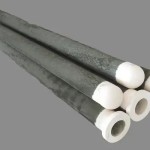
500 度適切なフィルターチューブ
The products are mainly used in industrial waste gas filtration, removal of harmful substances and high-temperature powder recovery. We help industries around the world effectively reduce air pollution emissions and energy consumption.
- 説明
- 問い合わせ
導入

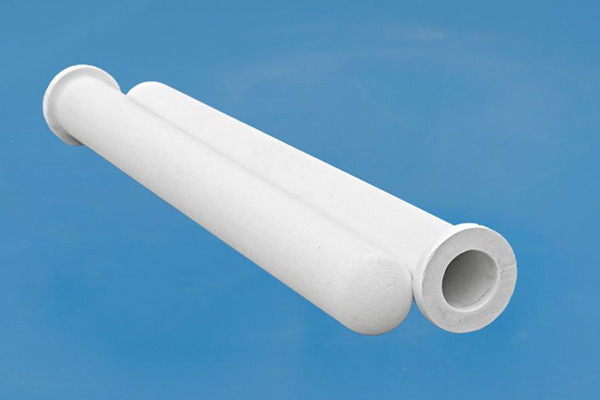
High-temperature ceramic fiber filter tube integrated desulfurization, denitrification and dust removal system mainly includes:
1. Flue gas temperature control system,
2. Dry desulfurization system,
3. Waste storage system,
4. Ceramic filter tube integrated denitration and dust removal equipment,
5. Electrical control system, 等.
TYPICAL APPLICATION
This is Silencer

The concentration of NOx in the flue gas of glass kilns is as high as 1,500~3,500ppm. There is a lot of dust, and it contains potassium, sodium, boron, and silicon. The fine dust harms the tradition SCR and cannot be collected by Electrostatic precipitator; it is difficult to use filter bags to remove dust; ABS hazards also cannot be improved
This is Silencer
This is Silencer box, the centrifugal fan inside
The high-temperature flue gas of the kiln first passes through the cooling system. After the flue gas temperature is adjusted to 360~380°C, hydrated lime and ammonia are sprayed into the flue gas. After fully mixing with the flue gas, the flue gas enters the ceramic filter tube integrated desulfurization, denitrification and dust removal system. After treatment The standard flue gas is sent to the outside of the chimney through the induced draft fan to complete the entire desulfurization, denitrification and dust removal process.
This is Silencer
This is Silencer box, the centrifugal fan inside
The traditional flue gas treatment system has many processing steps, a large number of equipment, a large area, and a large enterprise investment; the cost of later operation is high. 例えば, due to the use of high-temperature electrostatic precipitator, the electrodes are often covered with dust and need to be cleaned frequently; desulfurization The calcium carbonate, calcium sulfite, and calcium sulfate waste residue generated during the process requires solid waste treatment.
INSTALLATION
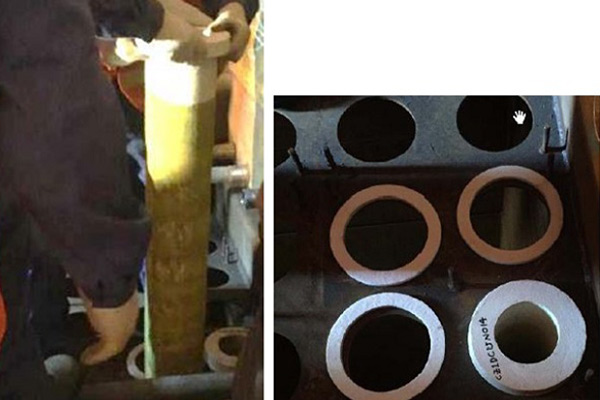
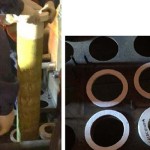
1. Place the fiber sealing gasket between the ceiling plate and the filter tube flange, and then install the filter tube through the ceiling plate hole;
2. Place the venturi tube on the ceiling plate flange;
3. Place the fastening cover on the venturi:
This is Silencer

4. Set it above the sleeve jacket and the fastening bolts (the fastening bolts should pass through the reserved bolt holes in the ceiling plate from bottom to top before installing the filter tube, and be fully welded to the lower part of the ceiling plate);
5. Retract the bolts and the installation is completed.
This is Silencer box, the centrifugal fan inside
This is Silencer box, the centrifugal fan inside
EMISSIONS REDUCTION GOALS

Fine dust, sulphur dioxide emissions and nitrogen emissions caused by high melting temperatures can all cause poor air quality. As a result, the glass, cement and metal industries, chemicals and petrochemicals as well as waste incineration and recycling plants – like many other industrial sectors – face the same challenge: Filtering and dedusting flue gases and pollutants as efficiently as possible and reducing their emissions.

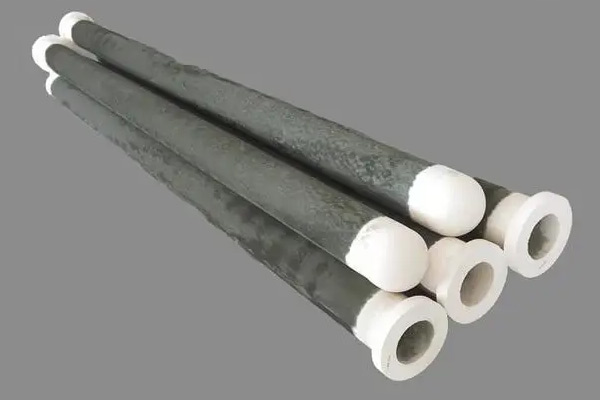
Our catalytic filter elements were developed for multi-pollutant emission control. These rigid yet highly porous and catalytically-coated ceramic filter elements are used for multi-pollutant control of (大丈夫) ほこり, acidic gases, dioxins and nitrogen oxides used in hot gas flows (at temperatures of 250°C-420°C).
Glass factory dust filter tube project case
Application results:
- NOx emission concentration<100mg/m3,
- HF emission concentration <5mg/m3,
- SO2 emission concentration <50mg/m3,
- Particulate matter emission concentration <20mg/m3,
- Ammonia escape <5ppm.
- The pressure loss resistance of the integrated system is less than 2500Pa.
- Calcium hydroxide adsorbent is used for desulfurization, defluorination and other acidic component removal. Secondary pollutants are powders such as calcium sulfate, calcium fluoride, calcium chloride and other salts. These powders can be recycled as ingredients in glass production.
PRODUCT SIZE
PACKING